
Key Attractions
The Orange River: Serving as a lush, life-giving green ribbon against the arid desert backdrop, the river cuts through dramatic canyons and supports vibrant birdlife.
- Unique Flora: Despite its harsh appearance, the region is a botanical wonderland containing up to 360 plant species per square kilometer—roughly 30% of which are endemic. It is famous for the architectural Halfmens trees (Pachypodium namaquanum)—which local folklore says represent exiled people turning back toward their northern homeland—as well as towering giant quiver trees.
- Dramatic Landscapes & Mountain Passes: Iconic geological features include the harrowing yet stunning Domrog Pass, Akkedis Pass, and rock formations like the Hand of God.
- Ancient Heritage Sites: The region is rich in thousands-of-years-old San and Khoi-Khoi petroglyphs (rock engravings) chipped into dark quartz and dolomite outcrops, alongside historical artifacts.


Local Advertisers
Rock Type and Geology
The geological history of the Richtersveld spans roughly two billion years, featuring an intricate mosaic of ancient volcanic, intrusive, and sedimentary formations:
- Basement Igneous Rocks: The foundational layers stem from the early Proterozoic Orange River Group (approx. 2 billion years old), consisting primarily of ancient volcanic lavas, andesites, and basaltic flows.
- Intrusive Suites: Over millions of years, molten magma pushed through the Earth’s crust, cooling to form massive granitic basements like the Vioolsdrif Intrusive Suite and later the Richtersveld Igneous Suite. Heat and tectonic pressures metamorphosed these rocks, turning original shales into slates, sandstones into hard quartzites, and lavas into schists.
- Quartzites, Dolomites, and Tillites: The backbone of the region—such as the Vandersterr and Stinkfontein mountains—is dominated by rugged, erosion-resistant quartzites and marbles. The area also preserves the Kaigas Formation, containing ancient glacial tillite deposits dating back to pivotal periods of earth history.
Adventure Options
4x4 Off-Roading: The park and its surrounding reserves feature intense, unpaved prospector tracks and rough terrain that test vehicles and drivers across rocky mountain passes.
- River Rafting and Canoeing: Multi-day white-water rafting and flat-water paddling trips down the Orange River offer an unmatched wilderness perspective of the desert canyons.
- Hiking and Backpacking: Adventurous hikers explore remote mountain gorges, dry riverbeds, and dramatic trails (though strictly regulated due to extreme summer heat).
- Mountain Biking: Gravel tracks and jeep routes crisscross the landscape, making it a rugged destination for self-supported cycling adventures.
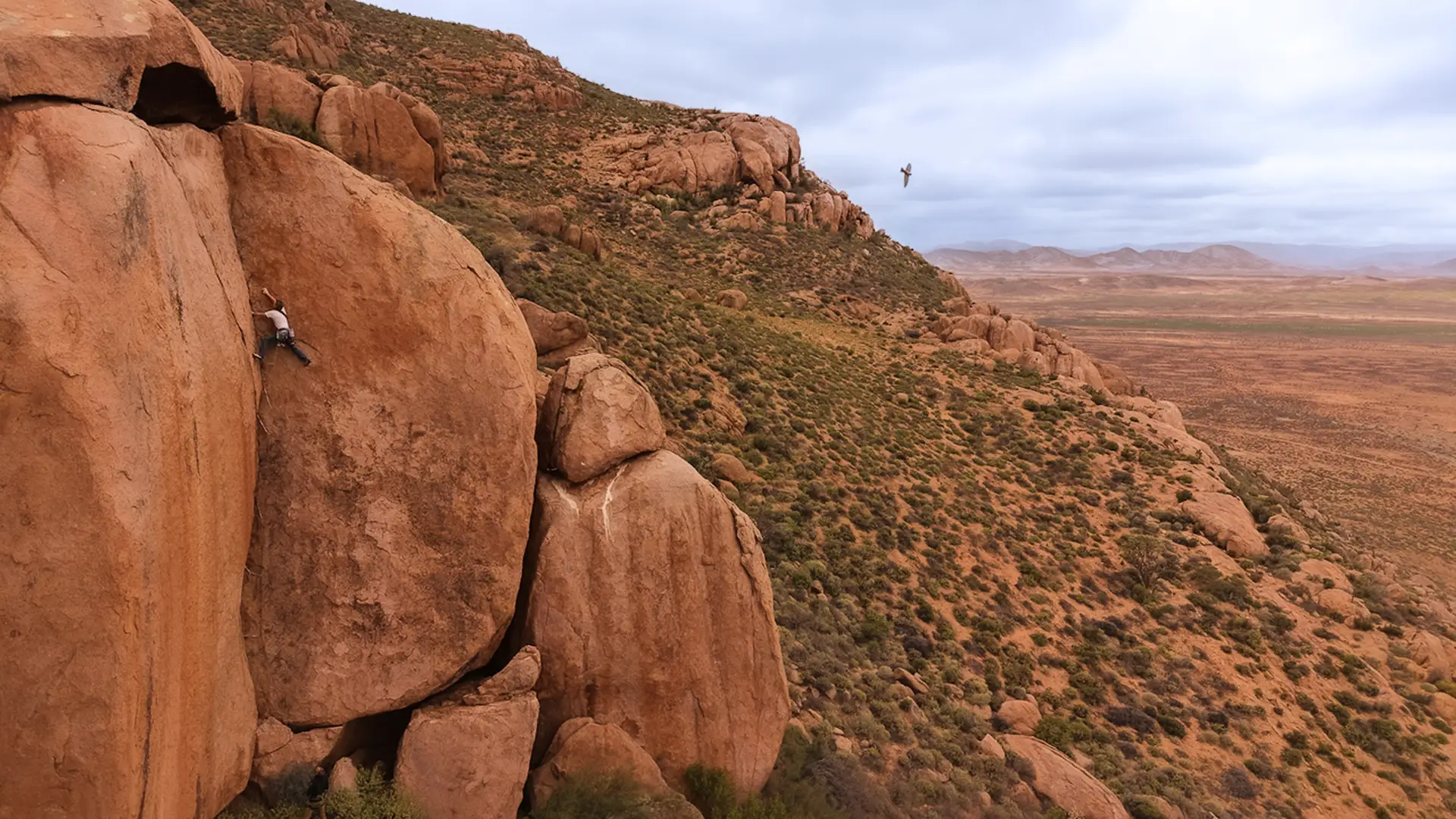
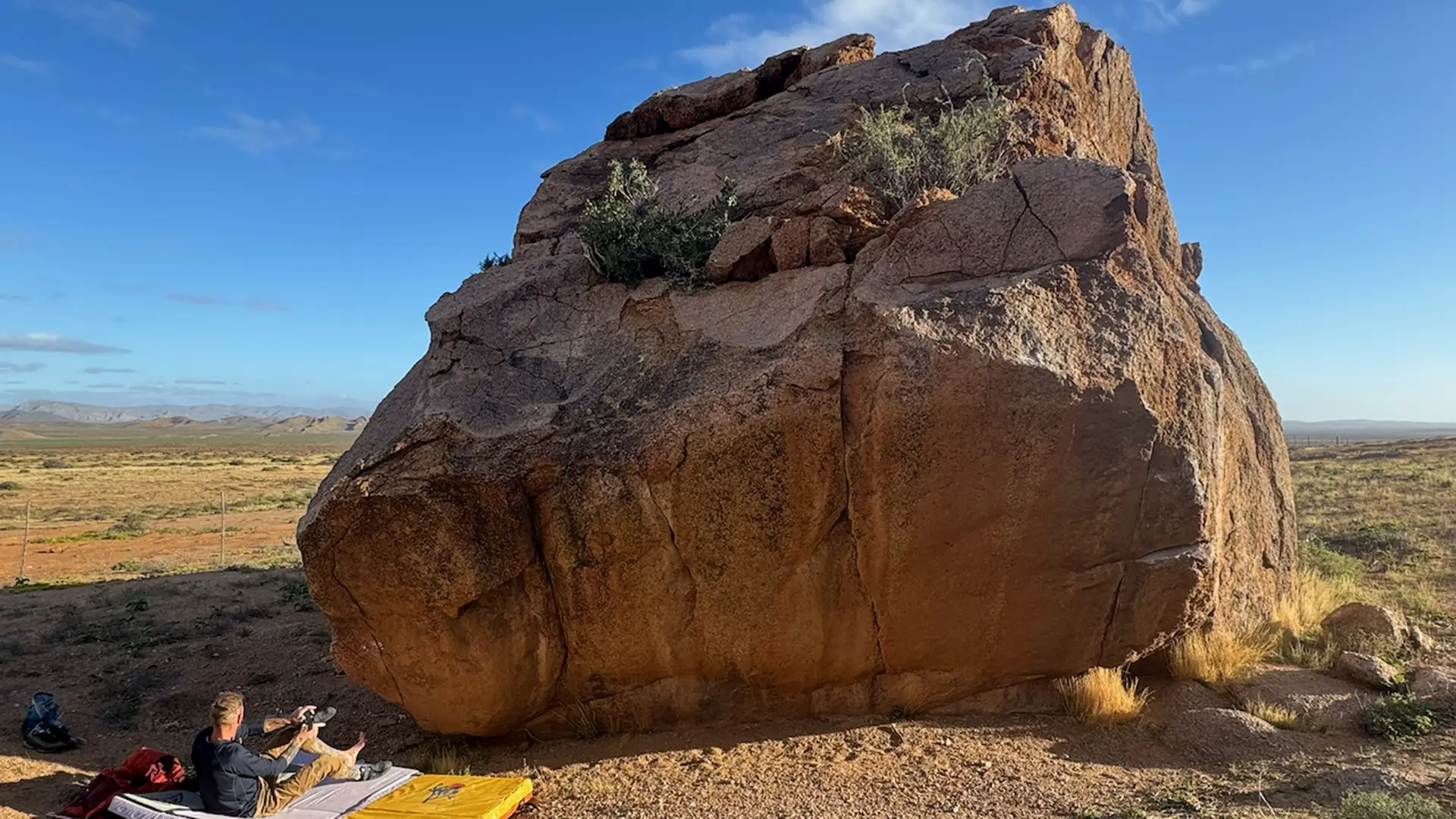
- Rock Climbing: New developments have opened this area up to include rock climbing and bouldering to the region
Best Seasons
- Winter (April to September): Widely considered the best time to visit. Daytime temperatures are pleasant and temperate (around 20°C to 25°C), making outdoor exploration comfortable. However, winter nights can drop close to freezing.
- Spring (August to September): If winter brings sporadic rains, this season triggers the famous Namaqualand wild flower bloom, carpeting parts of the desert in vibrant colours.
- Summer (October to March): Generally discouraged for casual travelers unless well-prepared, as extreme inland temperatures frequently soar past 40°C to 50°C, creating hostile and potentially dangerous conditions.
History
Early Inhabitants: The region's deep human history stretches back millennia. Early hunter-gatherers, including San and Strandloper groups, left behind a legacy of rock engravings and coastal shell middens. Later, Khoi-Khoi pastoralists migrated into the area with sheep and cattle, adapting their lifestyles to the arid climate.
- The Nama People: The Richtersveld is the ancestral home of the Nama people, one of the oldest surviving indigenous groups in southern Africa. Traditionally semi-nomadic pastoralists, they developed a profound survival knowledge of the desert's flora and medicinal plants, constructing traditional dome-shaped reed huts (matjieshuise).
- Modern Conservation & Heritage: To protect both the fragile ecosystem and the traditional pastoral way of life—where local Nama families still seasonally graze their livestock—the Richtersveld Cultural and Botanical Landscape was designated a UNESCO World Heritage Site in 2007, existing alongside the pristine mountain wilderness of the transfrontier park.
Filter by climbing genre
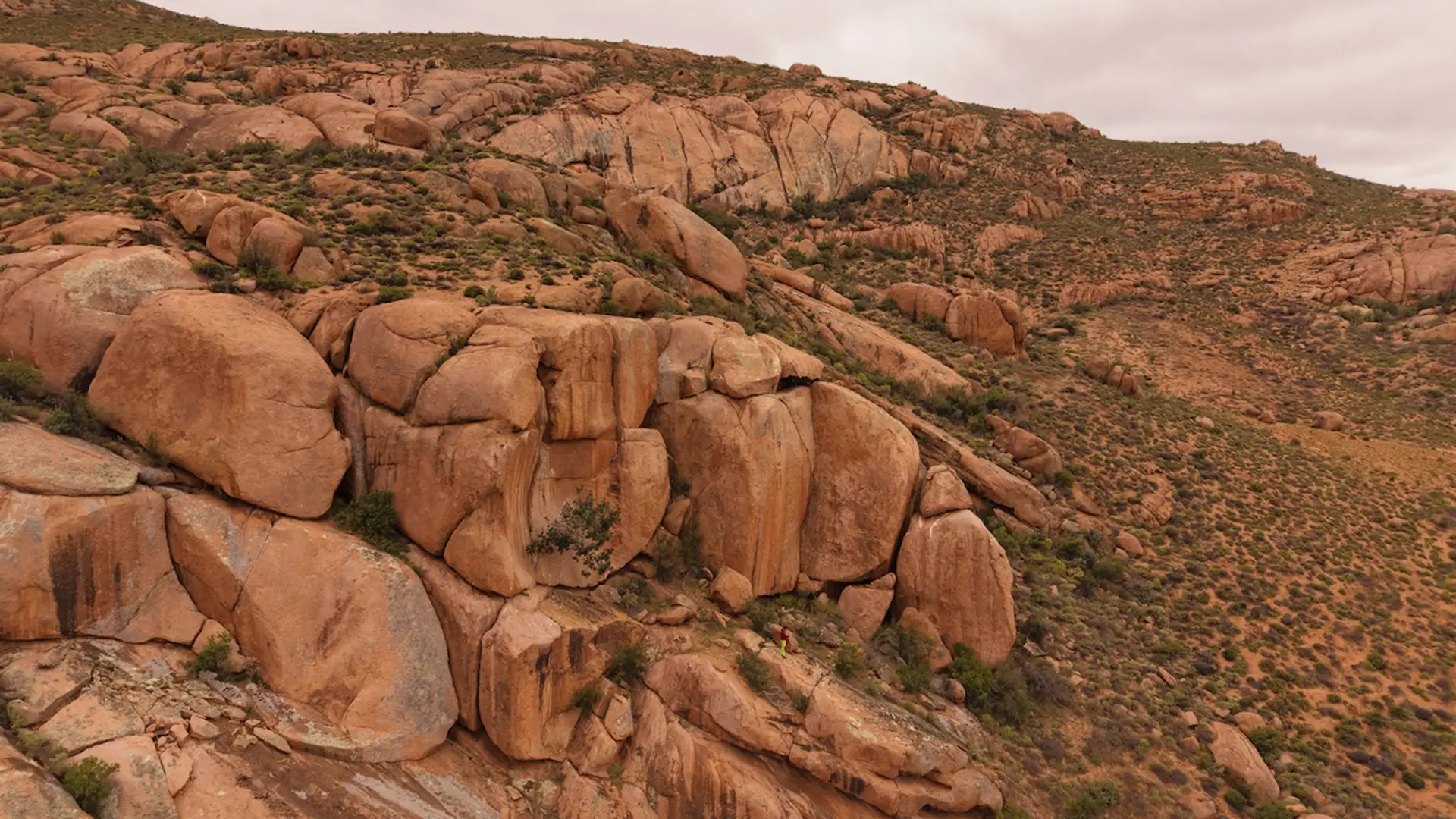
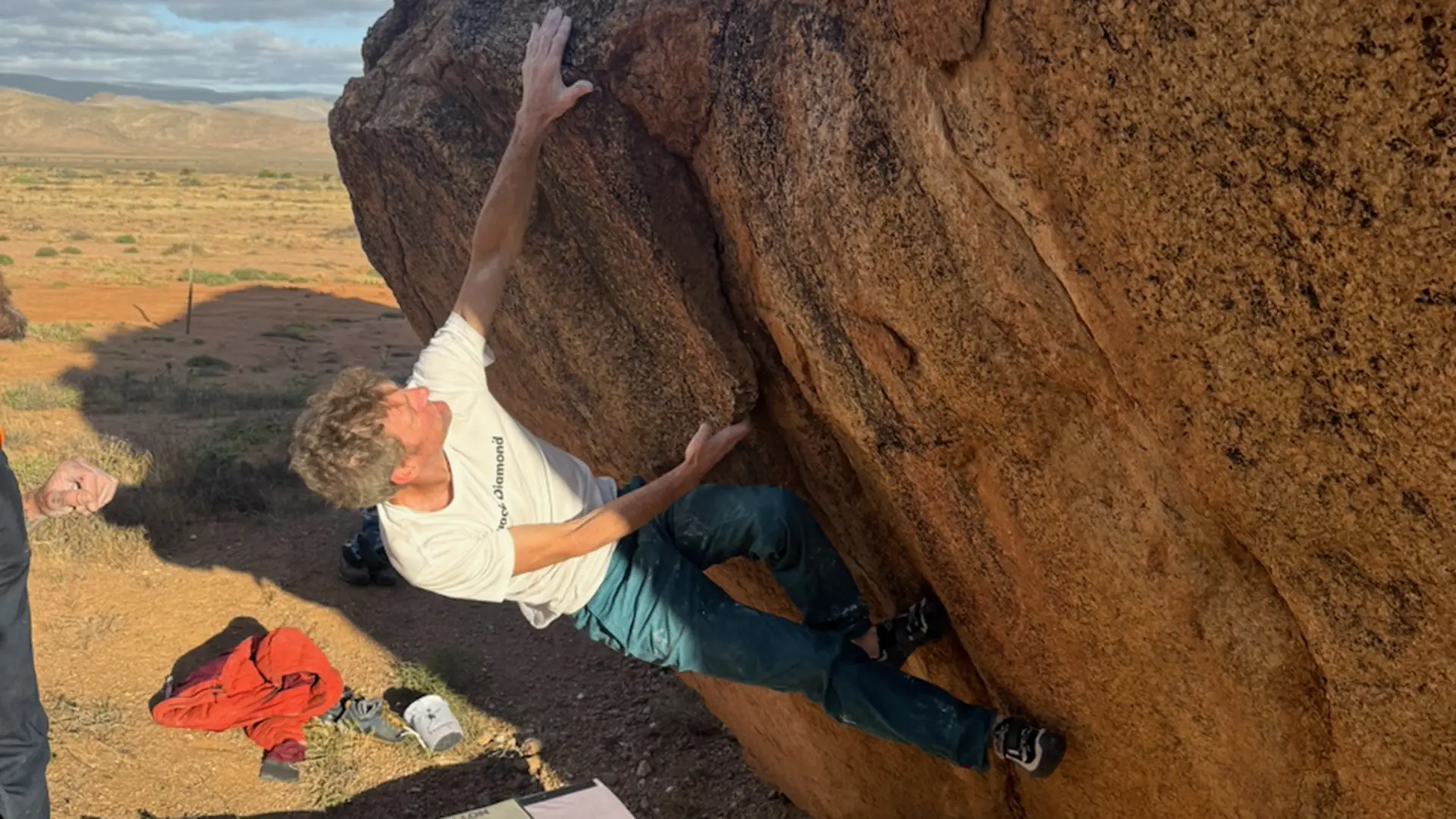
Tierhoek Granite

Lorem ipsum dolor sit amet, consectetur adipiscing elit. Suspendisse varius enim in eros elementum tristique. Duis cursus, mi quis viverra ornare, eros dolor interdum nulla, ut commodo diam libero vitae erat. Aenean faucibus nibh et justo cursus id rutrum lorem imperdiet. Nunc ut sem vitae risus tristique posuere.


Interactive Icons

Requires GAIA GPS App
Google Maps
Icons and Symbols